Our first tour was so good we opted for another, even in the rain. Notice the Ninja in the background. Yes, he dressed himself.
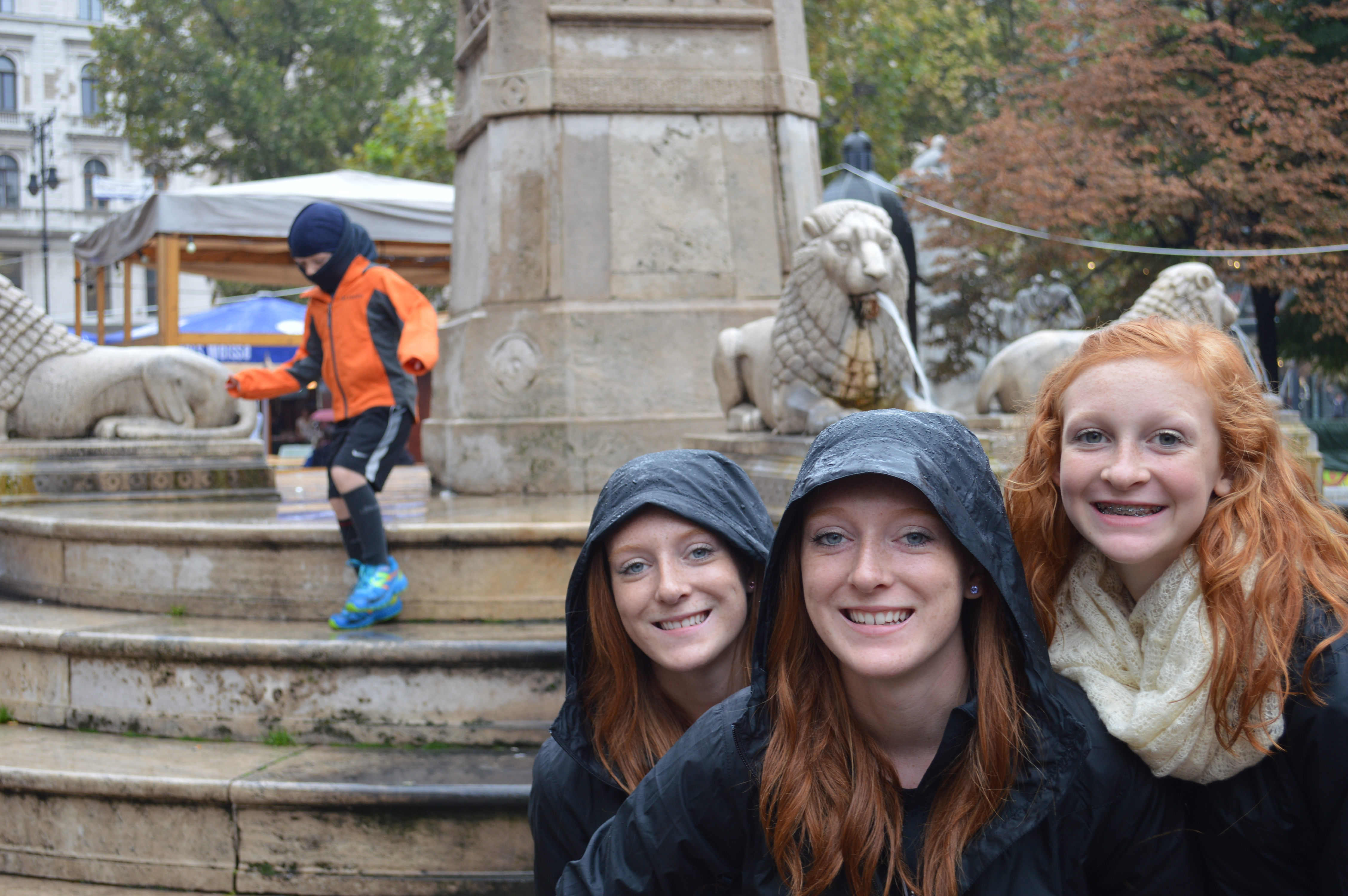
Why do the people of Budapest refer to themselves as a post communist country instead of a democracy since their liberation in 1990? We are told the mindset is not easy to change. During “good” communist years there were no homeless people and everyone had a job. It may have been a job they desired but many times not. If the government said you are going to be a mail carrier, you were a mail carrier. If they said you are going to be the street cleaner, you were the street cleaner. The government provided everything. This was okay for some but not for others. The government had complete control. When the Russians began fighting the Cold War their resources dwindled and they had to withdraw money that was keeping people content with jobs and food. Government having complete control and providing everything for their people could not last. Programs dwindled, people weren’t getting paid and people stopped working.
Today in Hungary a doctor makes the equivalent of $800 a month. Our tour guide told a story of her friend giving birth to her first child in the hospital and practically received no care. She had a nurse that was taking care of too many other patients. She found out for the birth of her second child that she needed to pay the nurse and other people extra money on the side to get what we would consider normal care after having a baby.
While on our tour, our attention was brought to a tall memorial to remember the Soviets who died, one memorial the post-communist Hungarians allowed to remain standing. Oddly enough, the memorial stands just outside the window of the U.S. Embassy. The Americans working in the embassy didn’t appreciate having to look at the structure everyday, so we gave a very special gift to the Hungarians–a bronze, slightly larger than life size statue of Ronald Reagan gloriously walking up the lane just on the other side of the Russian Memorial as if to say, “We have the Russians surrounded!”
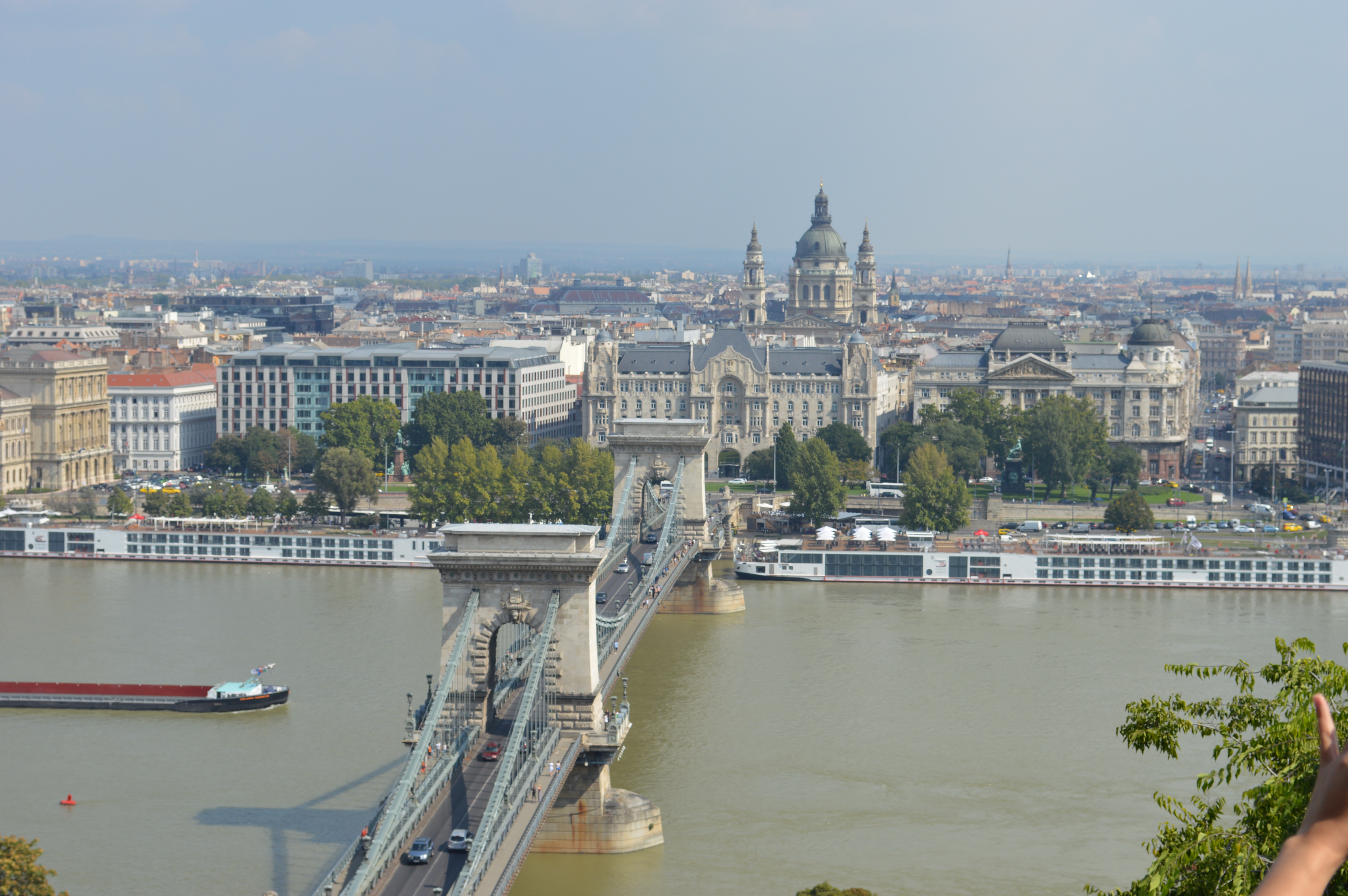
We walked across the Chain Bridge that was built in 1849 to join the Pest side to the Buda side over the Danube River.
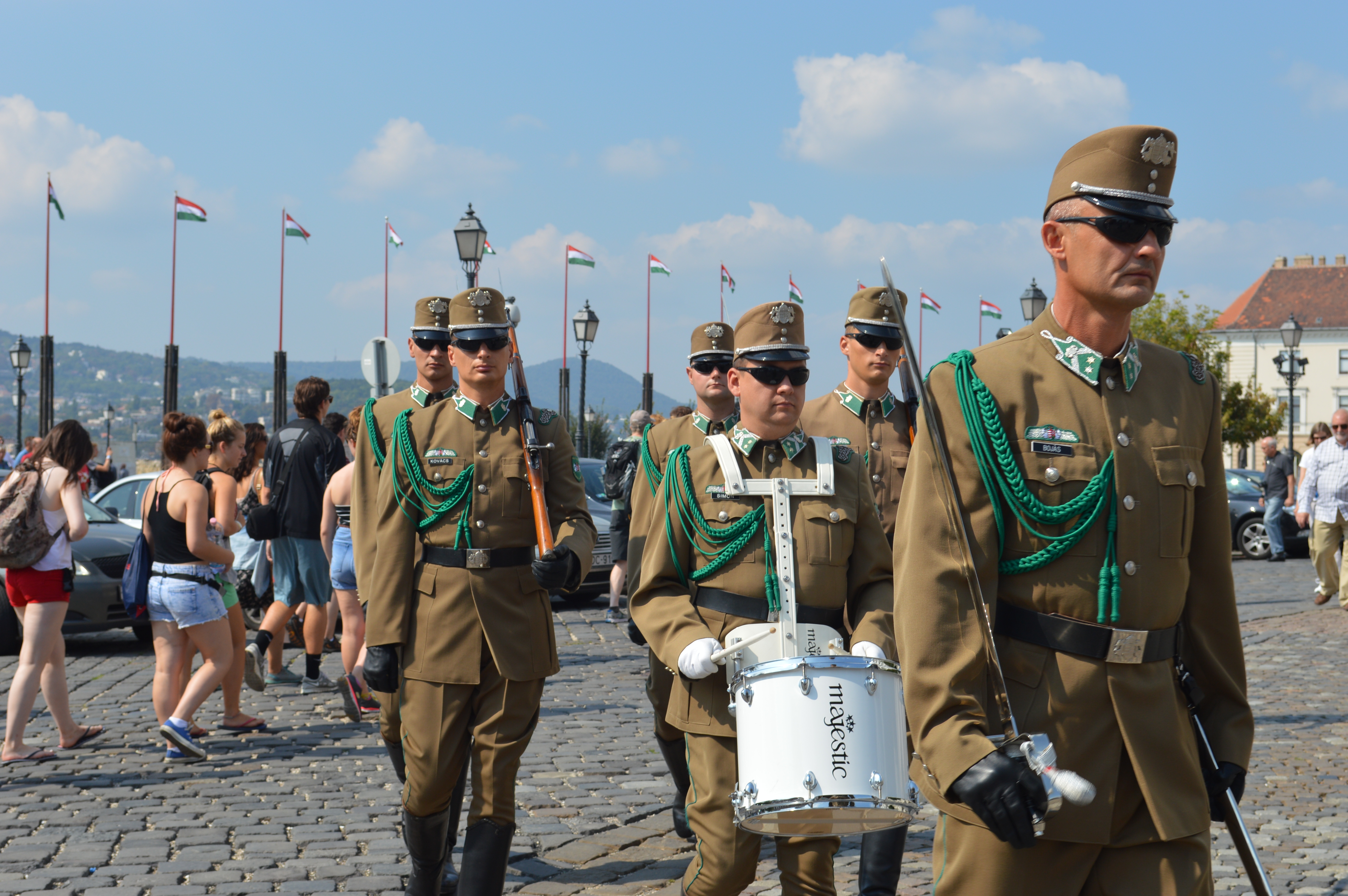
These guards are going through the tradition of the changing of the guards in front of the white house. The president of Hungary is not an esteemed position and he has no power. The guards that stand in front of the white house are just for show. It is the prime minister who has the power. When people were polled on the streets of Budapest and asked what their president’s name was, some didn’t know the name and some didn’t even know they had a president.
We were on our way to the zoo and stumbled upon the Vajdahunyad Castle! It was built between 1896 and 1908 as part of the Millennial Exhibition which celebrated the 1000 years of Hungary. The castle contains parts of buildings from various time periods, it displays different architectural styles: Romanesque, Gothic, Renaissance and Baroque. Originally it was made from cardboard and wood, but it became so popular that it was rebuilt from stone and brick between 1904 and 1908.
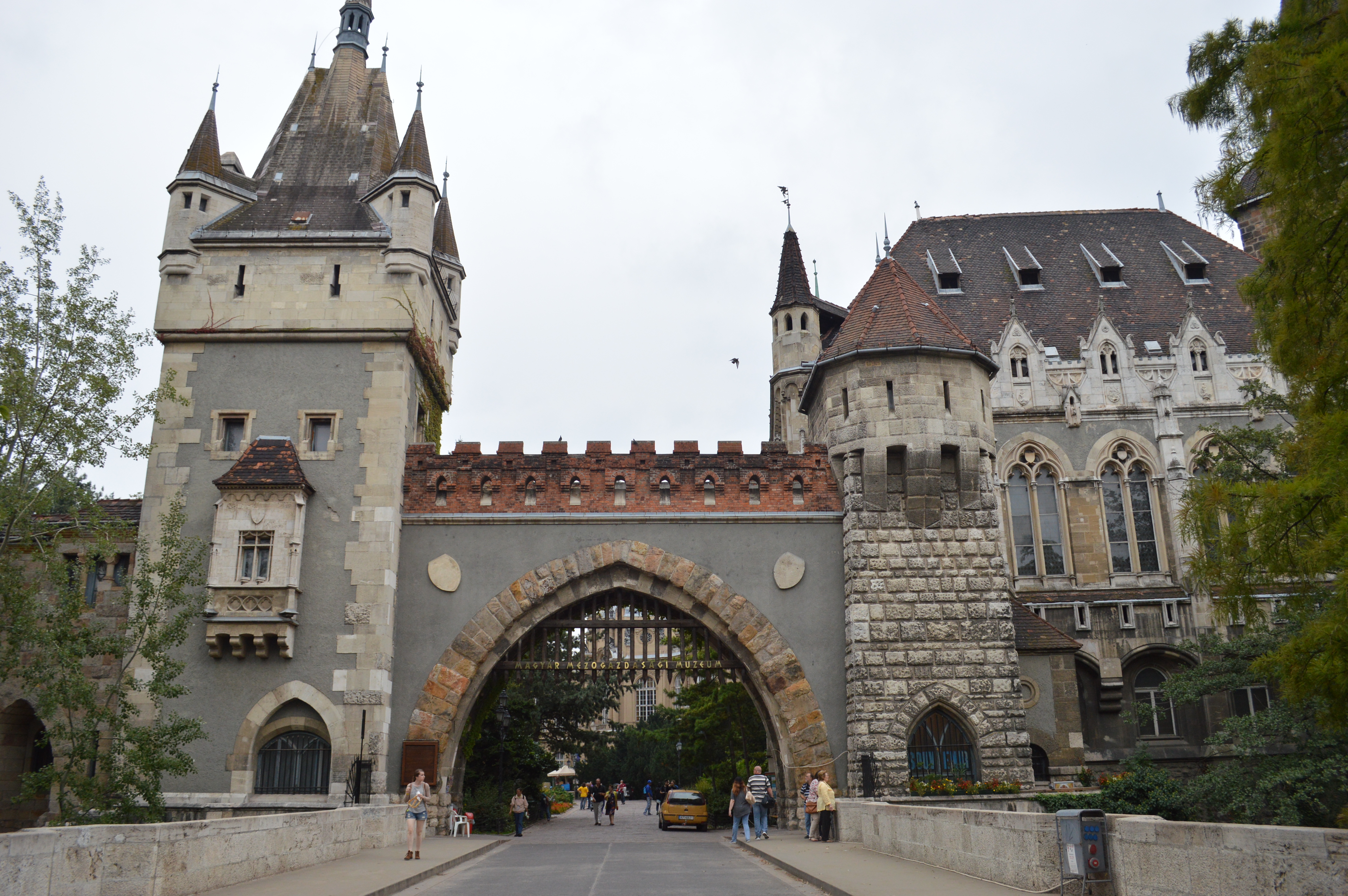
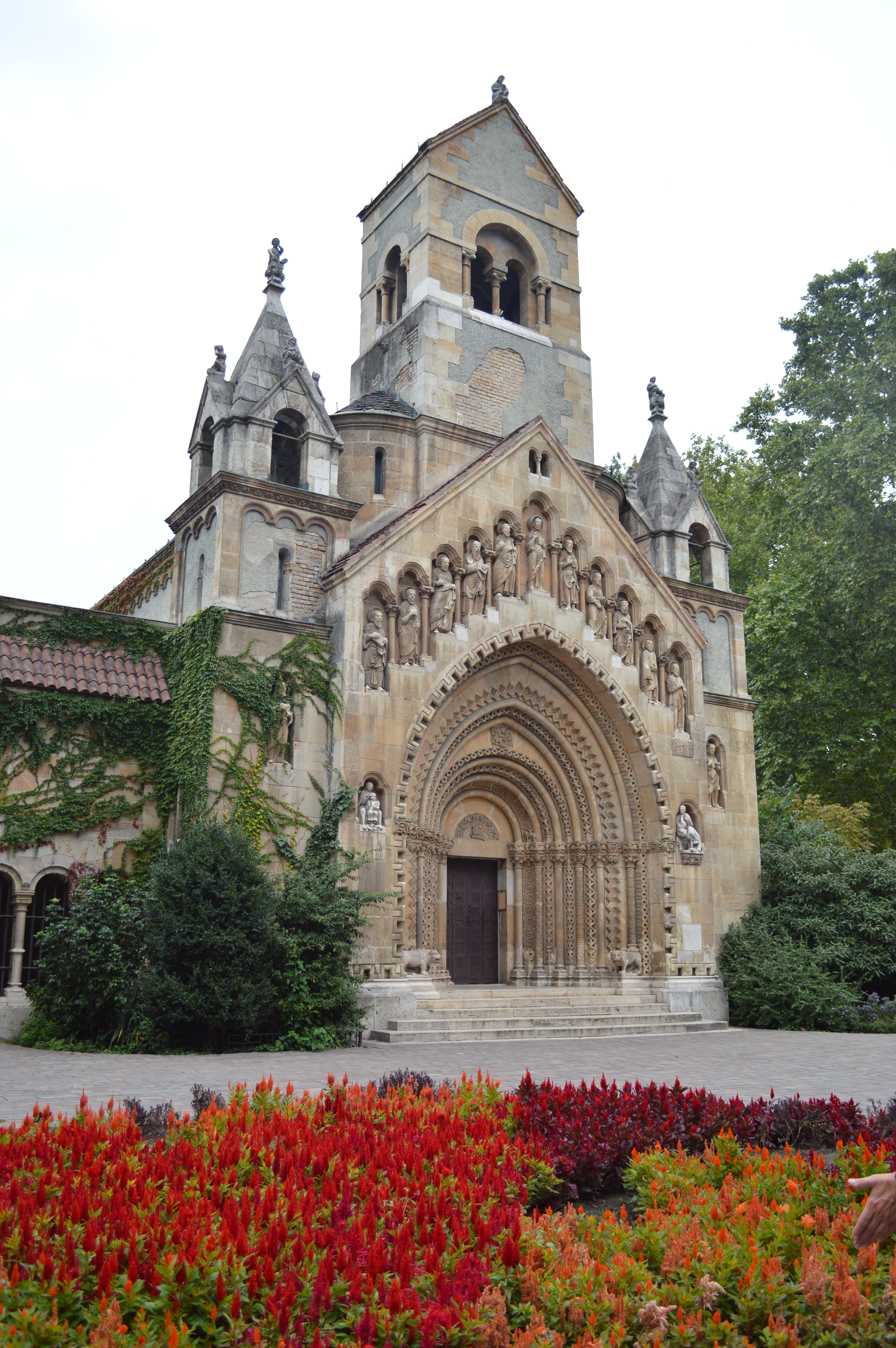
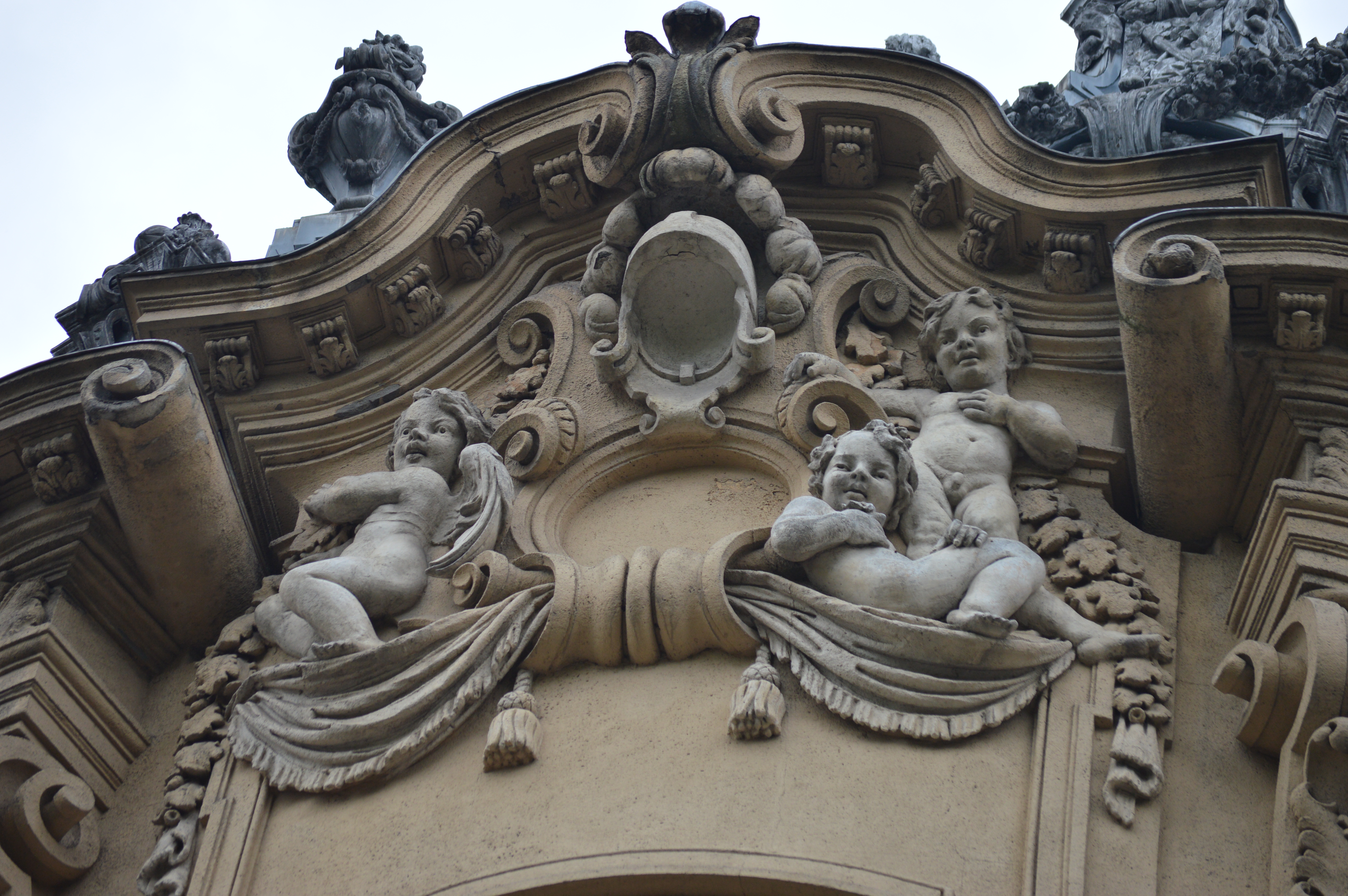
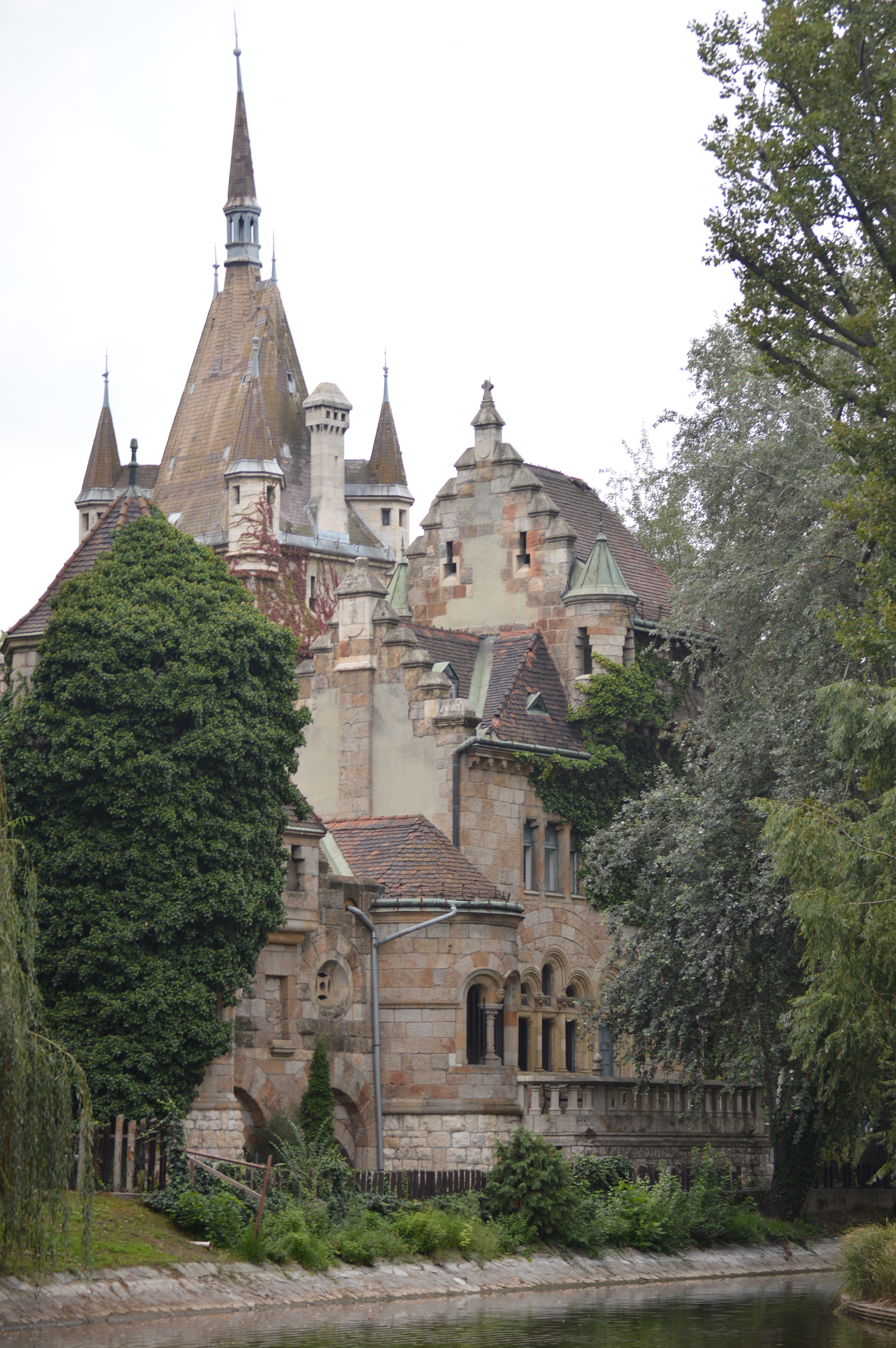
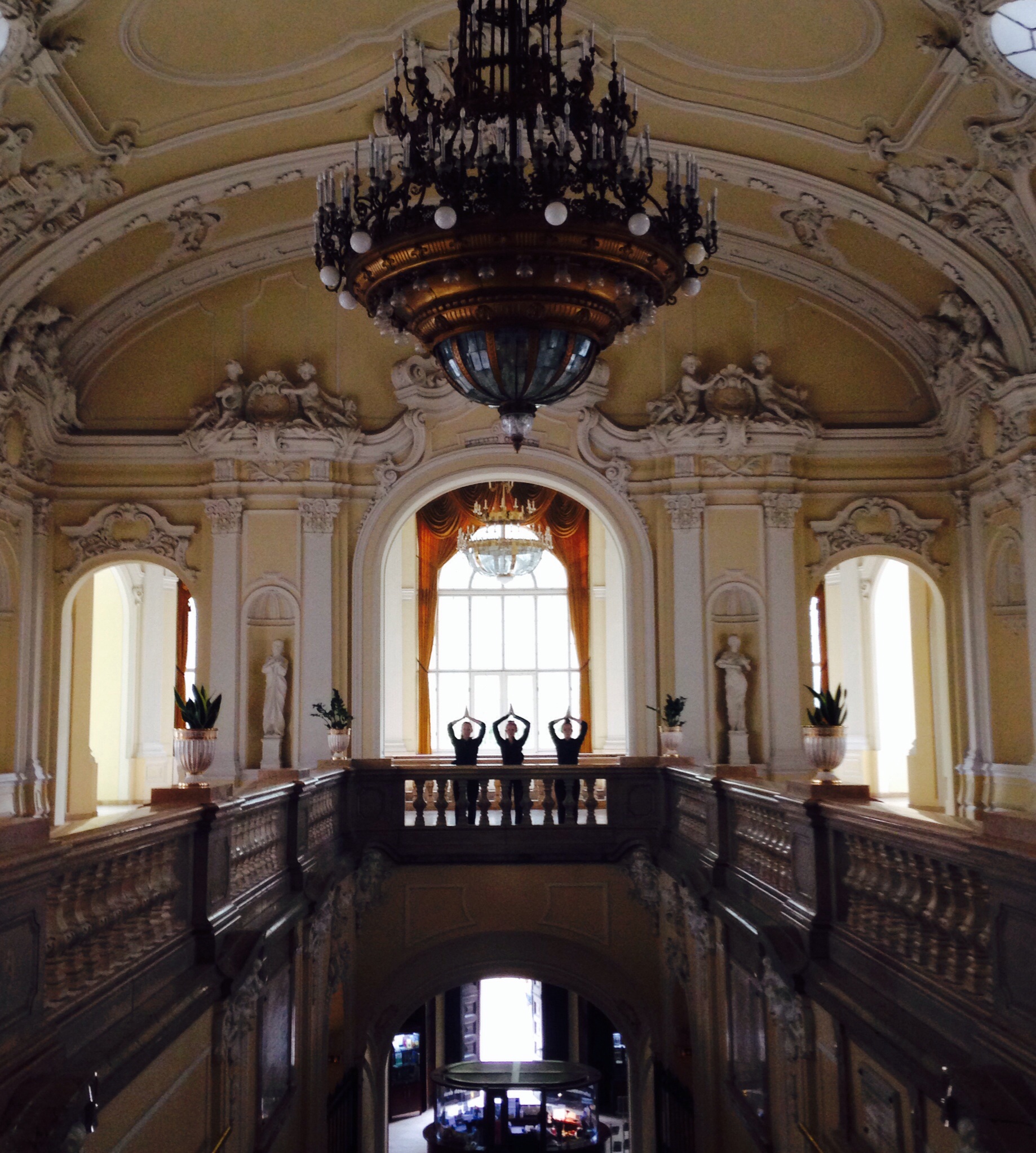
Inside this building housed the history of agriculture in Hungary. It was a bit like our own Historical Society. I didn’t plan on doing much more than glancing at it but Ireland and Indi took it very seriously and made us all move from one case to the next, so as not to miss anything. Dennis and I were cracking up, but pretended that’s what we had intended to do as well.
The grounds were beautiful.
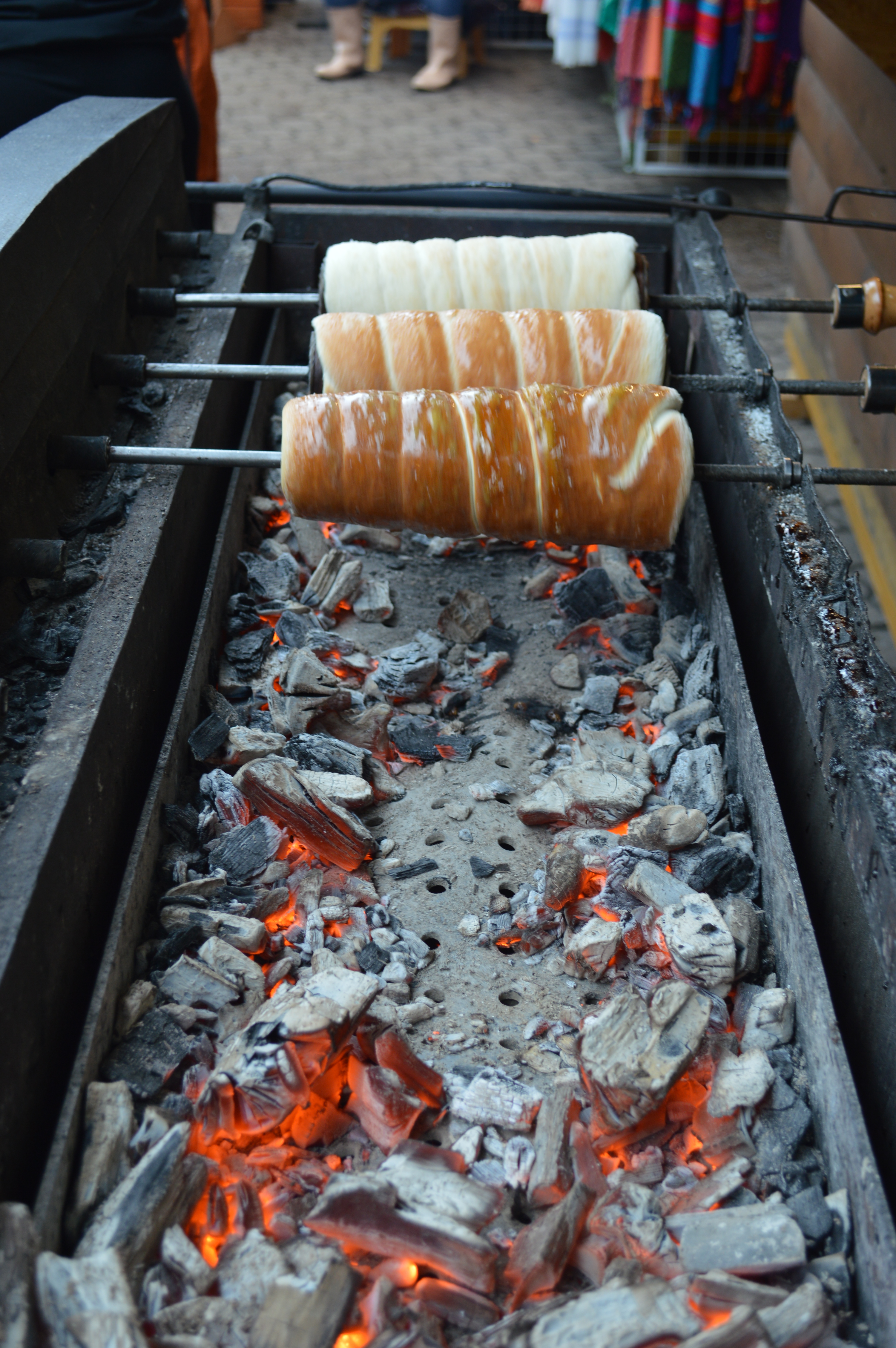
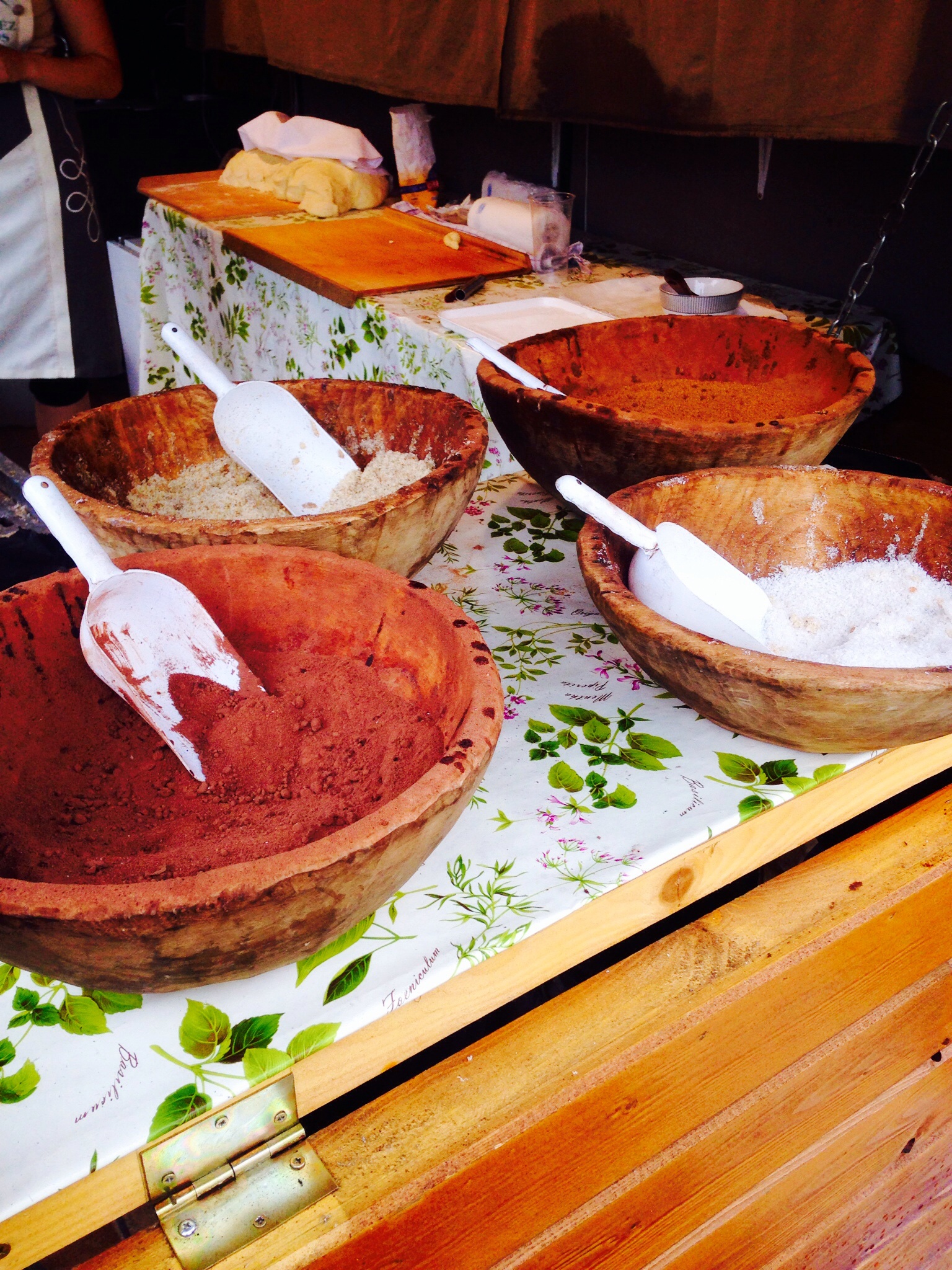
Kurtoskalacs are a traditional Hungarian treat made from a sweet yeast dough. It is placed on a cylinder and cooked over hot coals and then rolled in sugar, cinnamon, nuts or coconut. It was delicious!
Our stay in Budapest couldn’t have been more delightful!
 Our Bold Life
Completely fascinating!!
LikeLiked by 1 person
Delightful and yummy!!! I miss your presence!!!!
But I also miss my presence in Europe!Ha!
LikeLiked by 1 person
Did you get a picture of the Reagan statue? I bet that was awesome!
LikeLike
Paula, it was awesome! The picture is a sore subject and no, sadly there is no picture.
LikeLike